A Look at Why Cracks Form and How to Fix Them
Concrete sidewalks add value to neighborhoods by providing safe walkways for pedestrians. Yet, over time, many encounter cracks that can become safety hazards. Understanding why these cracks happen is the first step toward addressing them effectively. This article will explore some typical causes of sidewalk cracking and suggest practical solutions for dealing with these issues.
Why Do Concrete Sidewalks Crack?
Sidewalk cracks often occur due to various environmental factors. Weather changes, like freezing and thawing, can cause expansion and contraction in concrete, leading to cracks. Additionally, soil erosion beneath the sidewalk may create voids that compromise its integrity. Tree roots exert pressure from underneath, which can also lead to visible damage on the surface.
The Impact of Poor Installation
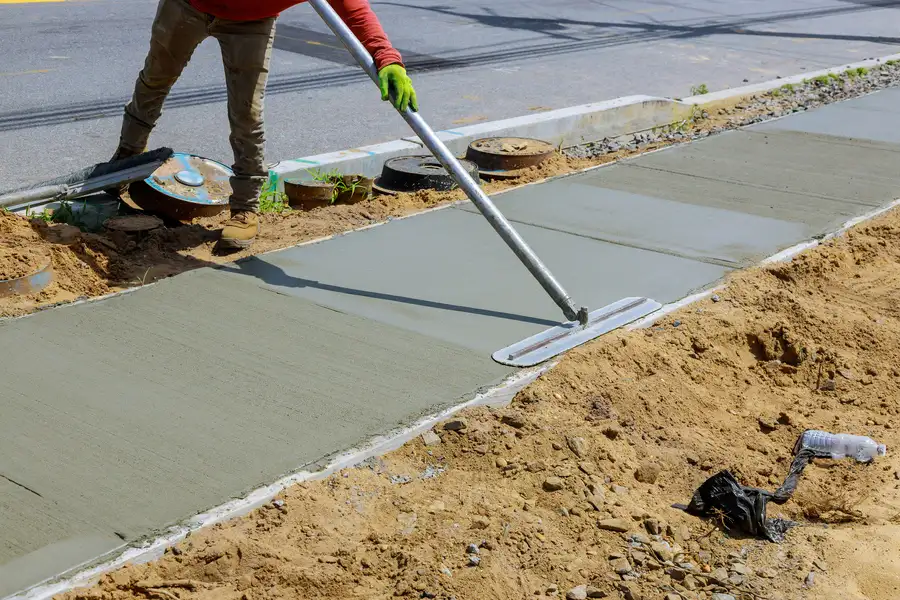
Improper installation is another frequent cause of sidewalk cracking. If a sidewalk is not laid with an even base or lacks sufficient reinforcement, it becomes vulnerable to stress and shifting. Over time, this can result in the need for concrete sidewalk repair to prevent further deterioration or accidents.
How Daily Use Affects Concrete
Regular foot traffic puts minor yet consistent stress on concrete surfaces. While designed to handle weight, uneven wear can still cause small fractures to develop into larger cracks. In areas with high pedestrian activity, timely concrete sidewalk repair is crucial to maintain safety and appearance.
Solutions for Preventing Sidewalk Cracks
Preventative measures can significantly reduce the risk of cracks forming in the first place. Proper drainage systems can help manage water flow and prevent erosion beneath sidewalks. Using quality materials during construction ensures better durability against both everyday use and adverse weather conditions.
Effective Methods for Repairing Concrete Sidewalks
For existing cracks, several repair methods are available. Patching involves using a concrete mixture to fill smaller cracks, while resurfacing provides a fresh layer over a worn surface. For more severe cases, replacing sections of the sidewalk might be necessary. Each option offers different benefits depending on the crack’s size and location.
- Patching works well for minor surface-level cracks.
- Resurfacing is suitable for widespread but shallow damage.
- Replacing sections is ideal for deeply cracked or compromised areas.
Tips for Long-Lasting Results
Ensuring long-term results requires regular maintenance and careful selection of materials. Routine inspections allow you to catch early signs of cracking before they worsen. Choosing high-quality concrete mixes helps resist weather-related stressors. Maintaining proper joint spacing during installation also minimizes the chances of new cracks forming.
Estimating Costs and Considerations
The cost of repairing or replacing sidewalks varies based on materials used and extent of damage. Investing in durable options upfront may save money over time by reducing future repair needs. Assessing potential costs accurately requires understanding all factors involved, including labor and material prices.
Contact Me for Expert Assistance
If you are concerned about your sidewalk’s condition or need professional advice, I am here to help. Based in Livermore, CA, I specialize in providing effective solutions tailored to your specific situation. Call me at (925) 488-2984 for personalized service that addresses all your concrete needs. At Carrillo Brother's Concrete Inc, customer satisfaction is my priority.